Acupuncture, Cupping and Facial Needling in Malaysia: What Each Session Involves
Three therapies that often get lumped together
Walk into a traditional Chinese medicine clinic in Malaysia and the treatment menu can look like a list of cousins. Acupuncture, cupping and facial needling share a history and sometimes share a room, but they are not the same thing, and they are not interchangeable. Knowing what each one physically involves makes a first visit less mysterious and helps you ask sharper questions.
Acupuncture uses very fine, single-use needles placed at chosen points on the body. Cupping uses glass, plastic or silicone cups that create suction on the skin. Facial needling is acupuncture adapted to the face and neck, usually with shorter and thinner needles. Each has its own preparation, its own sensations and its own list of reasons to pause.
What happens during an acupuncture session
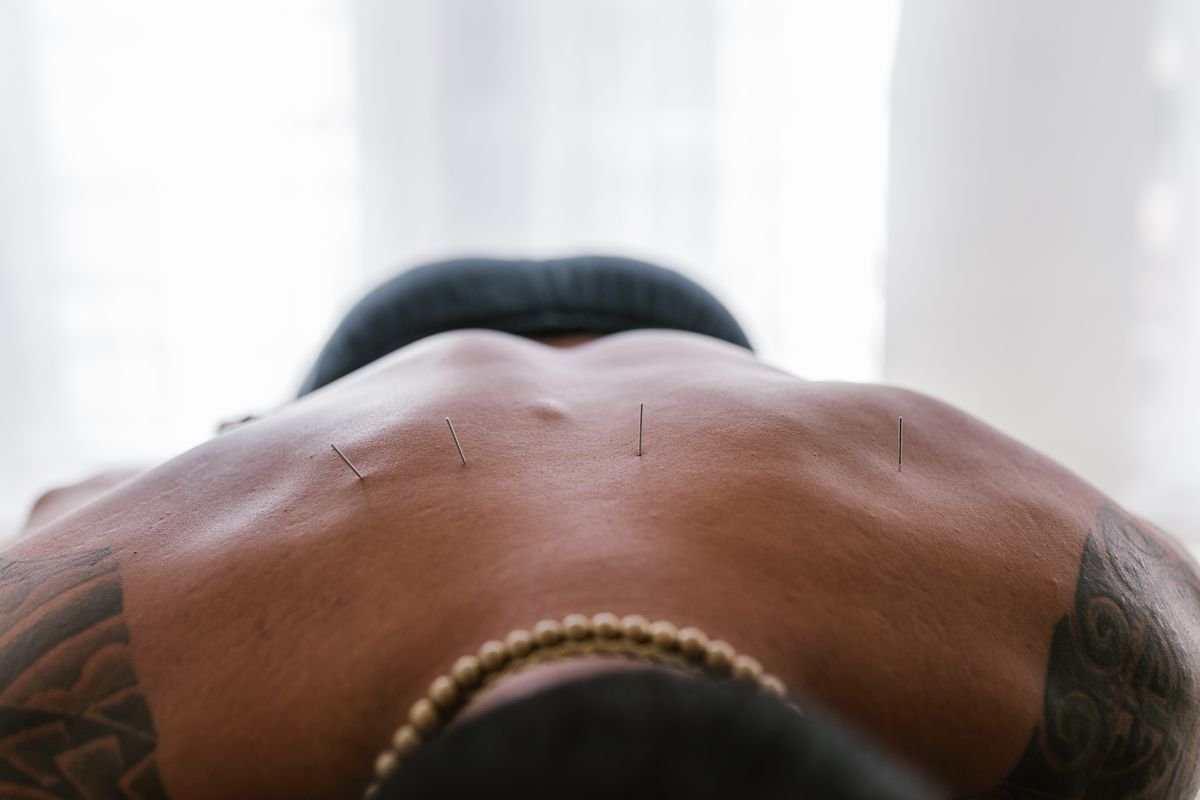
A typical first session starts with questions rather than needles: sleep, digestion, pain patterns, current medicines, and whether you are pregnant or taking blood thinners. Practitioners trained in TCM may also look at the tongue and feel the pulse at the wrist, which are traditional diagnostic habits rather than lab tests. If you want a feel for how a Malaysian TCM clinic describes its needling sessions, reading a service page before you arrive helps you separate the routine steps from anything unusual.
Needles usually stay in for somewhere between fifteen and thirty minutes. Many people feel a dull ache, heaviness or tingling around the point, which practitioners often call deqi. Sharp or burning pain is not the goal, and it is reasonable to say so straight away. The Johns Hopkins Medicine overview of acupuncture is a calm, research-minded summary of what the evidence does and does not support, which is useful context when a friend swears it fixed everything.
Cupping: suction, marks and what they mean
Cupping works the opposite way to massage. Instead of pressing down, the cup lifts skin and the tissue beneath it. In fire cupping, a flame briefly heats the air inside a glass cup before it is placed, and the cooling air creates the pull. Many clinics now use pump cups or silicone, which allow finer control. Cups may stay still for several minutes or glide across oiled skin.
The round marks afterwards are the part everyone notices. They come from small blood vessels near the surface breaking under suction, and they usually fade over several days to a couple of weeks. Their colour is not a reliable reading of “toxins”, whatever social media suggests. A clinic page on suction cup sessions and aftercare should mention marks honestly and explain what to avoid afterwards, such as a very hot shower straight away.

Facial needling is a gentler, more cosmetic branch
Facial work sits closer to skin care than to pain management. Practitioners place many shallow needles across the forehead, cheeks and jaw, sometimes combined with points on the body. People ask about it for fine lines, jaw tension and puffiness. Any change tends to be subtle and gradual, and talk of a needle “face lift” deserves the same scepticism you would give a miracle cream.
Small bruises are the most common side effect, especially around the eyes, so booking a session a week before a wedding is a poor plan. A dedicated page on fine needles used on the face can show how a clinic frames realistic expectations. Australia’s healthdirect acupuncture page lists general risks and the people who should check with a doctor first.
A short university explainer on what researchers think happens when needles are placed.
Safety questions that matter more than the menu
Whatever the therapy, a few checks travel well. Are needles single-use and opened in front of you? Does the practitioner ask about pregnancy, bleeding disorders, pacemakers and skin conditions? Will they avoid broken or inflamed skin when cupping? Professional bodies such as the British Acupuncture Council publish codes of practice that show what good hygiene and consent look like, even though Malaysian practitioners are registered locally under the traditional and complementary medicine framework.
TCM can sit alongside conventional care, not in place of it. New chest pain, sudden weakness, high fever or unexplained weight loss need a medical assessment first. A good practitioner says that without being asked.
If you keep one idea from all this, make it the following: the most trustworthy clinics are usually the ones most willing to tell you what a session will not do. Acupuncture, cupping and facial needling each have a modest, specific role, and the conversation about that role is part of good care rather than a hurdle before it.